
The right choise for
Bathroom
Kitchen
Living Room
Entryway
Description
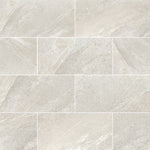
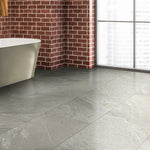
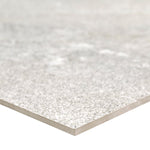
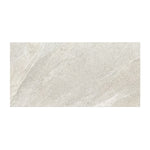
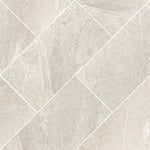
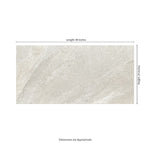
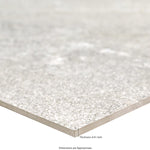
Transform your interiors with premium porcelain tile that blends elegance with performance. The Circinus Grigio tile features a polished, marble-look surface with modern grey tones, bringing a sleek and sophisticated touch to any space. If you're comparing porcelain vs ceramic tile or exploring the difference between ceramic tile and porcelain tile, this tile stands out for its durability and refined appearance.
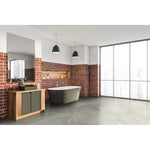
Designed for both residential and commercial use, this large format porcelain tile is ideal for floors, walls, kitchens, and bathrooms. Its glazed surface offers a high sheen while being easy to maintain—perfect if you're wondering how to clean porcelain tile. With strong resistance to wear (PEI 3 rating), it performs well in moderate-traffic areas.
Whether you're installing porcelain kitchen tile, upgrading a porcelain tile shower, or enhancing outdoor spaces with outdoor porcelain tile flooring, this versatile option delivers style and reliability. Easy installation using mortar and grout makes it a practical choice for professionals and experienced DIY users alike.
FAQS
Hardwood is made from solid wood planks, while engineered wood has a real wood surface over layered plywood, making it more stable and moisture-resistant.
Both are durable, but porcelain is denser, more water-resistant, and ideal for high-moisture areas, while ceramic offers a wide range of designs at a lower cost.
Yes, both can often be installed over most existing floors, provided the surface is clean, dry, and level.
Porcelain tile, ceramic tile, and most LVT products are waterproof, making them perfect for kitchens, bathrooms, and basements.
Sweep or vacuum regularly, clean spills promptly, and use manufacturer-recommended cleaners to avoid damage.
For spaces like hallways, kitchens, and commercial areas, durable choices include porcelain tile, LVT, and high-AC-rated laminate.
Style your floor with Beauty and Durability


